
 English
 Svenska
 Norsk
Norsk
 Suomi
Suomi
Responsible Gaming explained
Gambling is entertainment at its best, and for the vast majority of players, it stays exactly that. But having the right mindset and the right tools in place makes the difference between a hobby you enjoy and one that starts costing you more than money. This guide covers everything you need to know about responsible gaming at online casinos, what it actually means in practice, how to spot warning signs early, and which tools licensed casinos offer to help you stay in control.
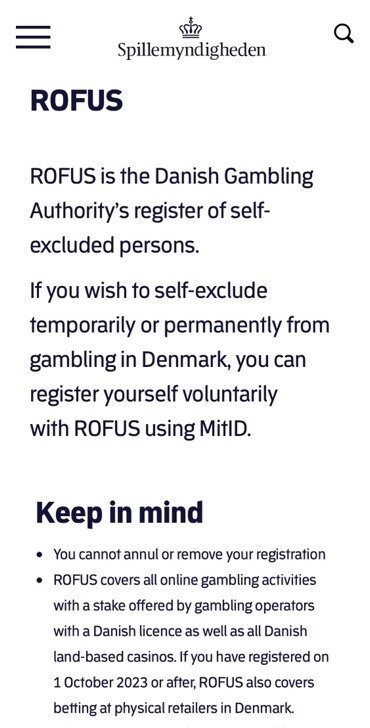
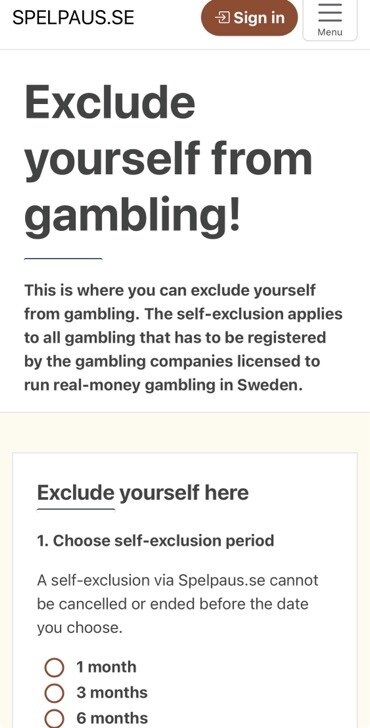
Table of Contents
What Does Responsible Gaming Actually Mean?
Responsible gaming is a simple concept that gets over complicated by the industry. At its core, it means treating gambling as paid entertainment, like buying a cinema ticket or going out for dinner. You decide upfront what you’re willing to spend, you enjoy the experience, and you don’t chase your money back when the session ends. That would be the healthiest approach to gambling, deciding upfront how much you are willing to spend, no money back guaranteed.
Staying in control of your time and money is the practical side of it. Knowing why you’re playing and being honest with yourself when the reason shifts from fun to something else is the mindset. Both matter.
The Difference Between Recreational and Problematic Gambling
For most players gambling stays fun without ever crossing a line. Recreational gambling looks like this: you set a budget, you play within it, and losing doesn’t ruin your evening. You might be disappointed, but you’re not desperate to win it back.
The shift to problematic playing usually happens gradually, chasing losses becomes normal, sessions get longer and longer, and gambling starts taking priority over other things. It’s not about how often you play or how much you spend in absolute terms. It’s about whether gambling is still something you choose freely, or if it starts to control your time and headspace.
Why Most Players Never Develop a Problem
Research consistently shows that the large majority of people who gamble do so without developing any harmful habits. Problem gambling affects a small minority, and responsible gaming tools exist as a safety net for that minority, not as a suggestion that gambling itself is inherently dangerous.
Think of it like wearing a seatbelt. You put it on not because you expect to crash, but because the option is there and it costs you nothing. Setting a deposit limit when you register at a MGA licensed casino works the same way — a sensible precaution that most players will never need to rely on heavily.
Warning Signs You Should Know
Nobody likes to think this section applies to them. But if you’re a regular player, it’s worth knowing what the early warning signs look like. Think of it as a heads-up from someone who plays too. Catching a pattern early is a lot easier than dealing with bigger problems later. The clearest red flags are behavioural, not emotional. Ask yourself honestly whether any of the following apply.
Signs in Your Own Behaviour
- Chasing losses — continuing to play specifically to win back money you’ve already lost.
- Gambling with money set aside for bills, rent, or other essentials.
- Lying to friends or family about how much time or money you spend gambling.
- Feeling anxious, irritable, or restless when you’re not able to play.
- Needing to bet larger amounts to get the same level of excitement.
- Repeatedly trying to cut back but finding it difficult to follow through.
- One or two of these in isolation doesn’t necessarily mean there’s a serious problem. But if several of them feel familiar, that’s worth paying attention to.
Signs in Someone You Know
Spotting problematic gambling in a friend or family member is harder, partly because people hide it well. Common signs include unexplained financial stress, borrowing money without a clear reason, becoming secretive about time spent online, or showing mood swings tied to wins and losses.
If you’re concerned about someone, the most useful thing you can do is bring it up calmly and without judgment. Framing it as concern rather than accusation makes it easier for the other person to actually hear you. Pointing them toward a support line rather than trying to fix it yourself is usually the most effective approach.
Gordon Moody and Gambling Therapy
Gambling Therapy is also operated by Gordon Moody, and it is a free online support platform offering live chats, forums, self-help tools, and emotional support for gamblers and their families worldwide.
Gamban
The software is available on smartphones, tablets, and computers, and is often recommended alongside counseling and support services such as Gambling Therapy and Gordon Moody.
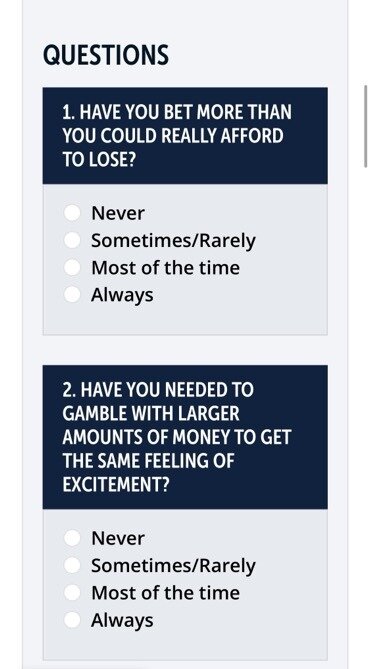
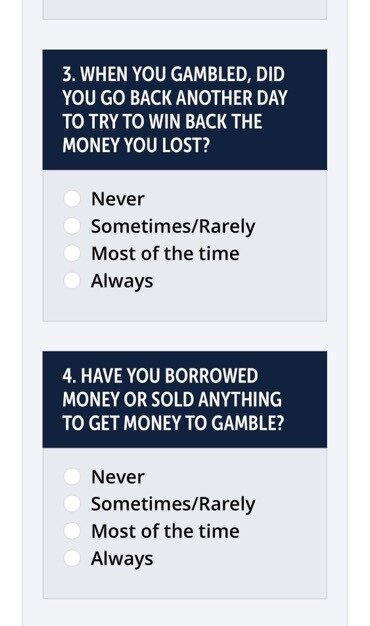
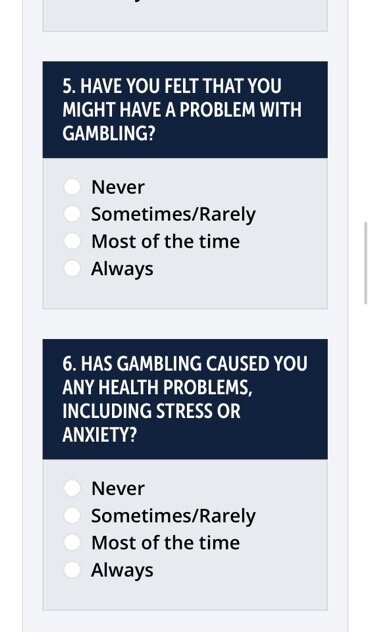
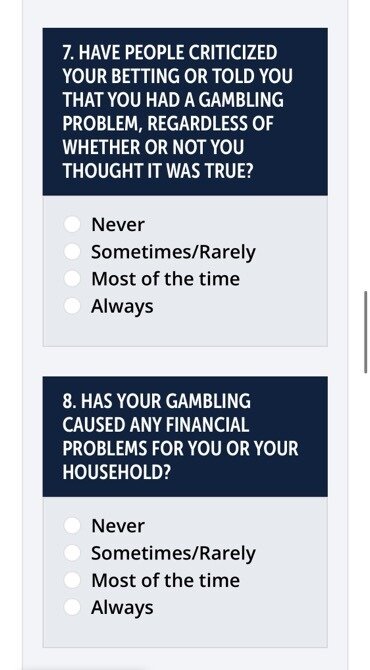
Self-Assessment test
Responsible Gaming Tools at Online Casinos
Every properly licensed online casino is required to offer responsible gaming tools. The difference between a good casino and a bad one isn’t whether these tools exist, it’s how easy they are to find and use. On EMTA casinos and MGA casinos, these tools are standardised and enforced by the regulator. Here’s what’s available and how each one actually works.
Deposit, Loss and Wager Limits
Financial limits are the most practical tool available, and the best time to set them is when you first register, not after a session that went badly. You can typically set daily, weekly, or monthly caps on deposits, losses, or total wagers.
Once a limit is active, the casino cannot process transactions that exceed it. Increasing a limit usually requires a waiting period (often 24–72 hours) to prevent impulsive decisions. Lowering a limit, on the other hand, takes effect immediately. That asymmetry is intentional and useful.
Session Time Limits and Reality Checks
Time passes differently when you’re in the middle of a session and most players know this from experience. Session time limits let you set a maximum playing duration, after which the casino will end your session automatically.
Reality check pop-ups work similarly but less forcefully: they appear at intervals you choose (every 30 minutes, every hour) and show you how long you’ve been playing and how much you’ve wagered. You can dismiss them and keep playing, but they break the autopilot mode that makes long sessions feel shorter than they are.
Time Outs and Self Exclusion
A time-out is a short cooling off period typically between 24 hours and 6 weeks. During this time your account is locked and you cannot log in or deposit. It’s useful if you feel like you need a break but don’t want to take a permanent step.
Self-exclusion is more serious. On MGA and EMTA licensed casinos, self-exclusion closes your account for a minimum period (usually 6 months, sometimes longer or permanent), cancels any active bonuses, and opts you out of all marketing. Any funds in your account at the time of exclusion are returned to you. The casino is also required to take steps to prevent you from opening a new account during the exclusion period.
Self Exclusion Programs in Europe
Casino level self exclusion covers one operator at a time. If you want broader protection, most European countries have national self exclusion registers that block you from multiple licensed operators simultaneously. These systems vary by country, so here’s what’s relevant for players in the Nordic region and Europe.
ROFUS (Denmark) and Spelpaus (Sweden)
Sweden’s Spelpaus is one of the most comprehensive national systems in Europe. Registering on Spelpaus blocks you from all casinos licensed by Spelinspektionen the Swedish gambling authority. It’s free, takes effect quickly, and covers both casino and sports betting operators. The exclusion can be set for a fixed period or indefinitely.
It’s worth noting that Spelpaus only applies to casino operators licensed in Sweden. If you play on internationally licensed casinos for example MGA or EMTA casinos, Spelpaus does not cover those sites. Denmark’s ROFUS works on the same principle: it applies to Danish-licensed operators only.
Self Exclusion on MGA and EMTA Casinos
For players using internationally licensed casinos, self exclusion happens at the operator level rather than through a national register. Each MGA or EMTA casino is required to process self-exclusion requests promptly, remove you from marketing lists, and prevent you from creating a new account during the exclusion period.
GamStop (UK) and Other National Systems
GamStop is the UK’s national self-exclusion system and covers all UKGC-licensed operators. Similar systems exist in other EU countries — for example, OASIS in Germany and Cruks in the Netherlands but each only covers locally licensed operators. If you’re playing on casinos licensed outside your home country’s jurisdiction, national blocks won’t apply, and you’ll need to use the casino’s own self-exclusion tools directly.
How to Keep Gambling Fun — Practical Tips
Responsible gaming doesn’t have to feel like a set of restrictions. These are just habits that experienced players tend to develop naturally. Think of them like ways of making sure the hobby stays enjoyable rather than stressful.
Set a Budget Before You Start
Treat your gambling budget the same way you’d treat a ticket price for any other form of entertainment. Decide before you open the casino what you’re happy to spend, and consider that money already gone — anything you win on top of it is a bonus, not the baseline expectation.
A practical tip: use a separate account or a prepaid card specifically for gambling. When the balance hits zero, the session is over. It removes the friction of having to make a decision in the moment when you’re already deep in a session.
Choose the Right Casino
Playing on a properly licensed casino isn’t just about safety — it’s also about having access to the responsible gaming tools described in this guide. Unlicensed or poorly regulated operators often don’t offer these tools at all, or make them deliberately hard to find.
All casinos recommended on Slotsoo hold either an MGA or EMTA license, which means responsible gaming tools are available, enforced, and easy to access from your account settings. If you’re not sure where to start, check our list of recommended MGA casinos — all of them have been verified by the team.
Use Bonuses Wisely
Bonuses can extend your playtime, which is great — but they can also inflate your perceived bankroll in a way that leads to bigger losses than you planned. A €200 bonus with a 40x wagering requirement means you need to wager €8,000 before you can withdraw anything. That’s not a reason to avoid bonuses, but it is a reason to read the terms before claiming them.
Don’t chase bonuses as a strategy. The house edge means that the longer you play to clear wagering requirements, the more likely you are to lose the bonus amount and then some. Treat bonuses as a nice extra, not as a route to profit.
Can I still get bonuses if I have limits set?
In most cases, yes. Deposit limits don’t automatically block you from claiming bonuses. However, if your deposit limit is lower than the minimum deposit required for a bonus, you won’t be able to claim it. Always check the bonus terms before depositing, especially if you’ve set tight limits.
How do I set limits at an online casino?
Log into your casino account and look for a “Responsible Gaming” or “Player Protection” section. They can usually be found in account settings or under your profile. From there you can set daily, weekly, or monthly deposit and loss limits or time-outs and reality checks. The best time to do this is right after registration, before your first session.
What is responsible gaming at online casinos?
Responsible gaming means treating gambling as paid entertainment. In practice this means you should play within a budget you’re comfortable losing, using the tools your casino provides to stay in control, and being honest with yourself about why you’re playing. It’s not about playing less, it’s about playing smart.
What is self-exclusion and how does it work?
Self-exclusion blocks your access to a casino for a set period typically ranging from a few weeks to several years, or permanently. When you self-exclude, your account is locked, pending withdrawals are processed, and you’re removed from marketing lists. On MGA and EMTA casinos, you can request self-exclusion directly through your account settings or by contacting support.
What should I do if I think I have a gambling problem?
Start by using the self-exclusion tool at your casino, it’s quick and takes effect fast. Then contact a support line like Stödlinjen (Sweden), Peluuri (Finland), or GamCare (EU-wide) for confidential advice. You don’t need to be certain you have a problem to reach out, if you’re asking the question, it’s worth a conversation.
Summary
Responsible gaming at online casinos comes down to two things: the right mindset and the right tools. The mindset is treating gambling as entertainment with a fixed budget. The tools like deposit limits, session timers, self-exclusion are sitting in your account settings right now, waiting to be used.
Set your limits before your first session, not after a bad one. And if you ever feel like things are getting out of hand, the support resources listed above are a good first step. They are free, confidential, and actually useful. All the casinos we recommend at Slotsoo are properly licensed and come with a full responsible gaming toolkit built in.